7 Powerful Truths About Tristan in the Bible You Must Know
Choosing a name for a child is always important, especially when it carries spiritual meaning. Tristan in the Bible is not just a label but a story of courage, endurance, and faith. Many parents wonder whether Tristan is a Christian baby name and how its spiritual symbolism of names can inspire strength in life. Though Tristan is not directly found in Scripture, its rich history and connection to Biblical themes of sorrow and joy make it a meaningful choice.
The name Tristan combines Latin and Celtic origins, linking it to both boldness and sorrow. Families seeking a Christian baby name with depth often find Tristan appealing due to its connection with endurance through hardships, Bible lessons and transformation through trials. This article explores Tristan’s meaning, origins, biblical symbolism, and spiritual insights to help you understand its Biblical significance of names and Christian context.
Is the Name Tristan Found in the Bible?
The name Tristan is not directly mentioned in any Bible translation. It does not appear in the Hebrew Scriptures, Greek New Testament, or even in Apocryphal writings. Despite this, the Tristan spiritual significance is closely tied to biblical ideas of faith through trials and suffering and hope in the Bible. Many Christian interpretations of names recognize that the meaning behind a name can carry deep spiritual power, even if the name itself is absent from Scripture.
Faith is not the absence of trials but the courage to endure them with trust in God.”
Parents choosing Tristan for their child align with the principles of Scripture-based name meanings. The spiritual story embedded in the name reflects themes seen in Job’s trials in the Bible, David’s endurance, and Paul’s letters to early Christians. Names like Tristan in the Bible demonstrate how Biblical inspiration for names extends beyond literal mentions and embraces the symbolic lessons of faith, courage, and perseverance.
What Does the Name Tristan in the Bible?

The Tristan name’s meaning combines sorrow, courage, and hope. Its essence reflects the journey from pain to purpose, showing how hardships can shape character. The name embodies spiritual encouragement in suffering, Tristan in the Bible reminding families that God can turn trials into lessons of strength from adversity. It symbolizes growth through challenges, much like biblical figures who learned faith and trust in God in moments of suffering.
“Sorrow may linger, but it shapes strength and brings clarity of purpose.” – Christian Reflection
Tristan also carries a modern interpretation as a Christian baby name with depth. It is associated with transformation through suffering, resilience, and boldness, encouraging parents to see the name as a reflection of biblical lessons on suffering. Choosing Tristan in the Bible conveys a commitment to nurturing faith, restoration through faith, and hope even in difficult circumstances.
Origin of the Name Tristan Biblical, Latin & Celtic Roots
| Scripture | Lesson | Relevance to Tristan |
| Romans 8:18 | “I consider that our present sufferings are not worth comparing with the glory that will be revealed in us.” | Transformation through suffering; pain to purpose |
| James 1:12 | “Blessed is the one who perseveres under trial because, having stood the test, that person will receive the crown of life.” | Endurance; faith through trials |
| Psalm 34:18 | “The Lord is close to the brokenhearted and saves those who are crushed in spirit.” | Restoration; sorrow to strength Bible verse |
| Matthew 17:20 | “If you have faith as small as a mustard seed, nothing will be impossible for you.” | Boldness and trust in God |
| Job 1:21 | “The Lord gave and the Lord has taken away; blessed be the name of the Lord.” | Lessons from Job; strength from adversity Bible |
| 2 Corinthians 12:9 | “My grace is sufficient for you, for my power is made perfect in weakness.” | Transformation through trials; hope and restoration |
| Romans 5:3-4 | “Suffering produces perseverance; perseverance, character; and character, hope.” | Faith through trials and spiritual encouragement in suffering |
The origin of Tristan blends Latin root Tristis and Celtic root Drustan / Trystan. In Latin, tristis means sorrowful, linking the name to sorrow and strength found in biblical stories of perseverance. The Celtic roots emphasize boldness, meaning and courage, reflecting values seen in names reflecting resilience and courage. Tristan in the Bible
“A name carries a story, a legacy, and the power to inspire the soul toward resilience and hope.” – Spiritual Insight
In medieval Europe, Tristan became popular through literature and legend, often blending Biblical lessons on suffering with heroic storytelling. Families today see Christian naming traditions in the name because it carries symbolic Christian names qualities, even if it is not directly in the Bible. Its dual heritage makes Tristan appealing as a name of endurance through hardships in the Bible.
Christian Symbolism Behind Sorrow and Strength
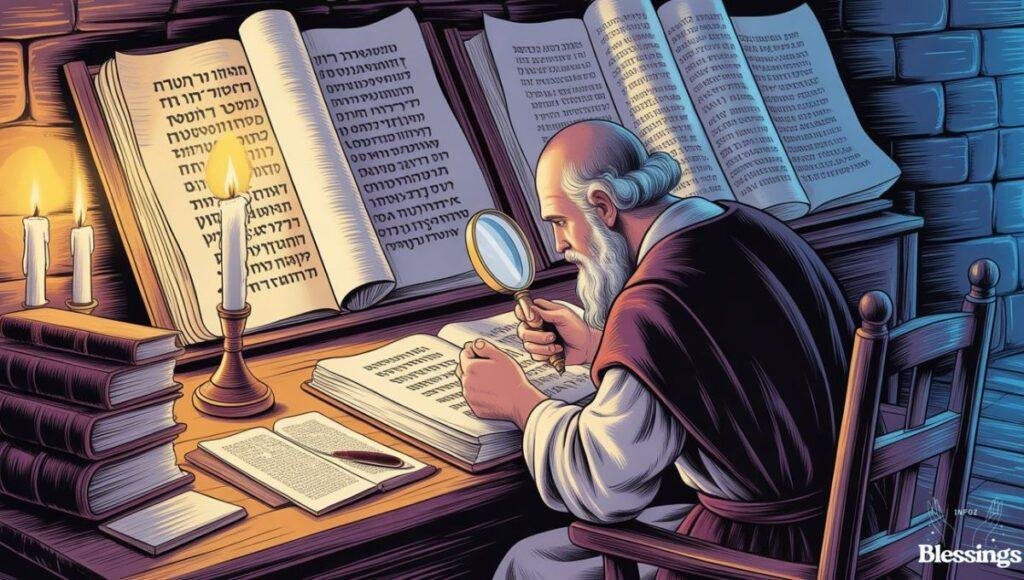
Sorrow in the Bible often leads to growth and maturity, teaching lessons in pain to purpose and endurance through hardships. Names like Tristan capture this journey, reflecting how God can turn suffering and hope in the Bible into resilience and courage. Job’s trials in the Bible and David’s struggles show that sorrow becomes a foundation for faith and restoration in the Bible verse, inspiring strength and trust in God.
Boldness is not the absence of fear, but the willingness to trust God even when pain remains.” – Faith Teaching
The spiritual symbolism of names like Tristan reminds believers that hardship is not meaningless. Through transformation through suffering, sorrow shapes character, encourages boldness meaning, and fosters a heart attuned to faith through trials. These lessons are central in Christian interpretation of names, demonstrating that even a modern or non-biblical name can reflect divine purpose and spiritual depth.
Latin Origin – “Tristis” (Sorrowful Meaning)
The Latin origin Tristis connects Tristan to the meaning of sadness in the Bible. It symbolizes sorrow leading to growth, a lesson seen in Job’s trials in the Bible and the strength from adversity. Using Tristan reflects the power of transformation through trials and finding hope in challenges.
Celtic Origin Drustan / Trystan (Boldness, Tumult)
The Celtic root emphasizes boldness, meaning and daring spirit. It represents courage in facing life’s trials, connecting to Biblical inspiration for names that promote resilience and faith. Choosing Tristan in the Bible signals a wish for children to grow with faith and restoration of the Bible verse in life.
Medieval Christian Europe & Name Evolution
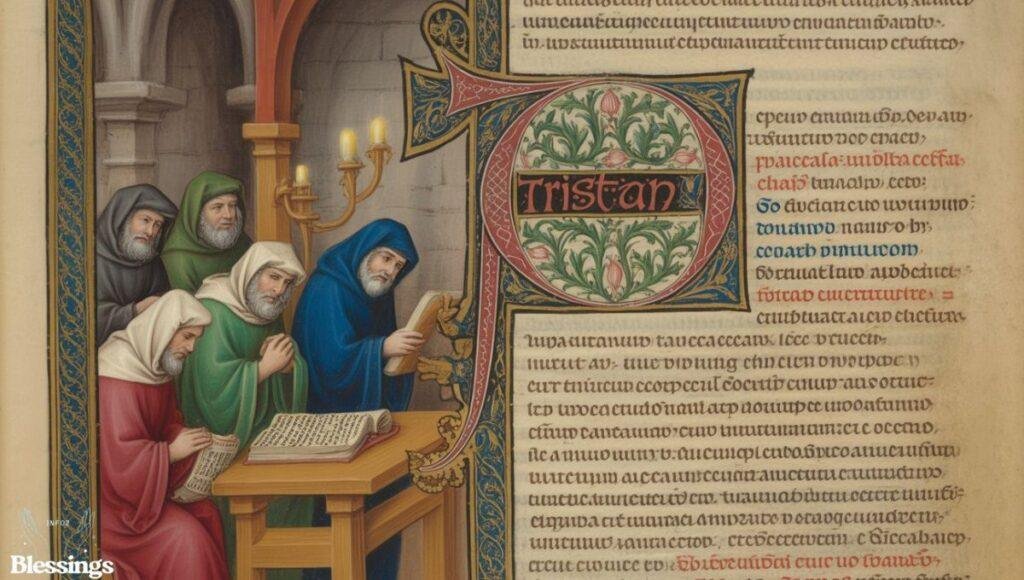
Tristan evolved in medieval Europe as a legendary hero while keeping connections to Christian interpretation of names. Even outside the Bible, Tristan in the Bible demonstrates spiritual symbolism of names, linking heroism with suffering and hope in the Bible, teaching lessons of endurance and pain to purpose.
Tristan Meaning in Greek and Biblical Languages
Tristan’s appearance in Greek or biblical languages is symbolic rather than literal. Its connection to Biblical significance of names is found through meanings of sorrow, faith through trials, and strength from adversity. Greek and Hebrew comparisons highlight how names with similar meanings carried spiritual significance in the Bible.
“God turns every trial into a pathway of restoration and purpose for those who trust Him.” – Biblical Meditation
For Christians, Tristan resonates with the principles of endurance through hardships in the Bible and spiritual encouragement in suffering. Its value lies in how it embodies lessons from Job and David, demonstrating that even non-biblical names can carry Scripture-based name meanings and spiritual depth.
Is Tristan in the Bible a Greek Name?
Tristan is not of Greek biblical origin but shares parallels with Greek ideas of boldness and endurance. Its Tristan spiritual significance aligns with biblical virtues rather than Greek mythology alone, connecting to transformation through suffering.
How Names Shape Spiritual Identity
A name carries more than sound; it influences character, faith, and identity. Choosing a name like Tristan connects children to Biblical lessons on suffering and restoration through faith, reminding them of the journey from sorrow to strength in the Bible verse. Tristan spiritual significance highlights resilience, boldness, meaning, and trust in God, shaping a lifelong spiritual outlook.
Modern Christian naming practices recognize that symbolic Christian names teach values, embed hope, and encourage moral growth. Names with meaning, whether biblical or not, become anchors for faith through trials, transformation through suffering, and endurance through hardships in the Bible. A thoughtful name can guide a child toward courage, faith, and a deeper connection with God throughout life.
Biblical Language Comparison (Hebrew & Greek)
In Hebrew, names often reflect divine promises or character traits. Tristan’s meaning mirrors these practices, emphasizing faith and trust in God. Greek biblical names similarly focus on virtues, aligning Tristan with Biblical inspiration for names even without direct mention.
Biblical Themes That Reflect the Meaning of Tristan
The life lessons embedded in Tristan echo Biblical themes of sorrow and joy. Names like Tristan remind believers that sorrow can lead to growth and strength. Scriptures illustrate how God turns pain into purpose through trials. Tristan embodies endurance through hardships in the Bible, showing the path from struggle to spiritual transformation.
Biblical stories, including Job’s trials in the Bible and David’s battles, exemplify how suffering refines character. Tristan reflects faith through trials and restoration through faith, teaching that courage and hope are central to Christian living. The name inspires believers to embrace challenges as opportunities for spiritual growth.
Sorrow as a Pathway to Spiritual Growth
Sorrow often leads to strength. Biblical examples show that pain can guide one toward God. Tristan reflects this journey of transformation through suffering and faith and restoration Bible verse, symbolizing hope from sadness.
Trials, Testing & Divine Purpose
Life’s challenges shape faith. Tristan embodies the concept of endurance through hardships in the Bible, teaching trust in God and the importance of learning from each trial.
Christian Symbolism Behind Sorrow and Strength
Sorrow in the Bible often leads to growth and maturity, teaching lessons in pain to purpose and endurance through hardships. Names like Tristan capture this journey, reflecting how God can turn suffering and hope in the Bible into resilience and courage. Job’s trials ,Tristan in the Bible and David’s struggles show that sorrow becomes a foundation for faith and restoration in the Bible verse, inspiring strength and trust in God.
The spiritual symbolism of names like Tristan reminds believers that hardship is not meaningless. Through transformation through suffering, sorrow shapes character, encourages boldness meaning, and fosters a heart attuned to faith through trials. These lessons are central in Christian interpretation of names, demonstrating that even a modern or non-biblical name can reflect divine purpose and spiritual depth.
From Pain to Promise in Scripture

Scripture shows pain can transform into blessing. Tristan’s meaning mirrors pain to purpose, guiding believers to see suffering as a stepping stone to spiritual growth and boldness.
Spiritual Symbolism of the Name Tristan
Tristan represents more than a name; it reflects life lessons from Scripture. Its symbolic Christian names qualities include boldness, resilience, and hope, providing guidance for believers seeking meaning in Christian baby names.
The spiritual symbolism of Tristan is seen in restoration through faith, strength from adversity, Bible, and transformation through trials, showing that even a non-biblical name can carry deep biblical lessons on suffering and spiritual encouragement.
Suffering That Produces Strength
Struggles shape character. Tristan demonstrates faith through trials, reflecting Sorrow to strengthen Bible verse lessons from Job and David.
Faith Through Difficult Seasons
Believers learn trust in God during hardships. Tristan in the Bible ’s meaning encourages spiritual encouragement in suffering and reliance on divine guidance.
Restoration After Brokenness
Brokenness can lead to renewal. Tristan reflects Biblical stories of restoration, emphasizing hope and redemption after pain.
Bible Verses That Align with Tristan’s Meaning
Several verses reflect Tristan’s spiritual essence. Romans 8:18 reminds believers that suffering produces glory, while James 1:12 praises endurance through hardships in the Bible. Psalm 34:18 offers faith and restoration Bible verse, and Matthew 17:20 emphasizes trust in God. Job’s trials in the Bible illustrate transformation through suffering, showing that pain to purpose is central to Tristan’s symbolic meaning.
| Verse | Lesson | Connection to Tristan |
| Romans 8:18 | Glory after suffering | Transformation through suffering |
| James 1:12 | Endurance under trials | Endurance and faith through trials |
| Psalm 34:18 | God close to brokenhearted | Restoration and hope |
| Matthew 17:20 | Faith moves mountains | Trust in God and boldness |
Tristan in Medieval Legend vs Biblical Truth
The Tristan & Isolde legend shaped European culture, linking names with medieval European roots to heroism. Yet, the story often conflicts with Scripture, emphasizing romance over faith. Despite this, Christian interpretation of names finds value in lessons about boldness, meaning and resilience, reflecting symbolic Christian names principles.
Even if Tristan is not in the Bible, its meaning aligns with Biblical lessons on suffering, encouraging faith, hope, and perseverance. By separating legend from biblical truth, Tristan can inspire spiritual growth and faith and trust in God, merging cultural storytelling with scriptural values.
Overview of the Tristan & Isolde Legend
Tristan’s medieval story tells of love, loyalty, and hardship. It emphasizes boldness meaning, echoing transformation through trials, even though the narrative is not biblical.
Where the Legend Conflicts with Scripture
Legendary elements like romantic drama conflict with biblical teachings. Tristan illustrates courage but not direct biblical lessons.
Where Biblical Values Still Appear
Themes of loyalty, perseverance, and faith through trials align with scripture. Tristan reflects strength from adversity in the Bible despite non-biblical origin.
Can Cultural Stories Be Redeemed?
Yes, stories can inspire faith. Tristan demonstrates pain to purpose and restoration, offering moral guidance alongside spiritual lessons.
Is Tristan a Good Christian Name?
Tristan is a meaningful Christian baby name. Its spiritual symbolism of names teaches courage, boldness, and endurance through hardships in the Bible. Parents choosing Tristan embrace Biblical inspiration for names and hope their children grow with faith, restoration, and strength in challenges.
Tristan as a Baby Name , Christian Perspective
Tristan is unique among Christian baby names, offering symbolic Christian names with depth. Its blend of Latin and Celtic origins connects Biblical themes of sorrow and joy with modern Christian naming practices, ensuring both tradition and meaningful inspiration for a child’s faith journey.
What Does the Name Tristan Mean in Prayer and Spiritual Life?
Tristan inspires reflection in prayer and meditation. Parents can connect its Tristan spiritual significance to faith and trust in God, transformation through suffering, and restoration through faith. The name encourages personal devotion and spiritual growth, aligning with Biblical stories of restoration and Scripture-based name meanings.
FAQs
No. Tristan does not appear in the Bible; it comes from Celtic/medieval tradition.
It’s commonly linked to the Latin tristis, meaning “sorrow” or “sadness.”
It often symbolizes tragic love, loyalty, and emotional depth.
Theodore it comes from Greek and means “gift of God.”
Conclusion
Although Tristan is not explicitly in Scripture, its Tristan in the Bible is profound. It embodies boldness, faith, restoration, and courage, linking pain to purpose and endurance through hardships in the Bible. For families seeking Christian baby names with spiritual depth, Tristan reflects Biblical inspiration for names, spiritual encouragement in suffering, and a hopeful path for a life of faith.