

The phrase Blessed are the peacemakers carries a timeless message that inspires action, not just reflection. Rooted in the Sermon on the Mount, it elevates reconciliation and harmony above all. Peacemakers actively bridge divides, calm tensions, and bring emotional balance to turbulent situations. By practicing these principles, anyone can transform conflict into understanding and foster lasting connections.
Historically, this teaching encouraged courage during periods of social unrest. Today, it applies across households, workplaces, and global diplomacy. The blessing extends beyond spiritual rewards, offering personal growth, stronger relationships, and a tangible sense of fulfillment for those who prioritize compassion and justice.
Historical Context of the Phrase
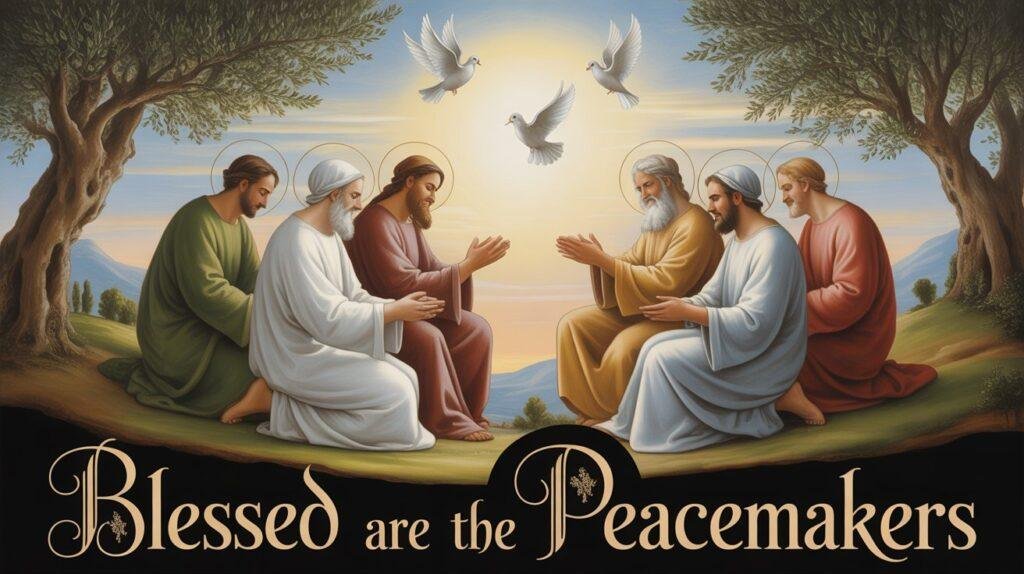
In first-century Judea, Jesus delivered the Sermon on the Mount, embedding the phrase Blessed are the peacemakers as a revolutionary teaching. Amid Roman occupation, social unrest, and religious tension, advocating peace challenged conventional power dynamics. The statement rewarded those who fostered harmony and pursued ethical reconciliation, emphasizing inner strength over political dominance.
Early Christian communities embraced this principle, using it to resolve disputes, guide moral behavior, and strengthen communal bonds. Over centuries, it influenced leaders, scholars, and social activists who transformed the principle into both spiritual guidance and practical conflict-resolution frameworks.
Literal vs. Figurative Meaning
Literally, the phrase praises those who actively mediate disputes and promote calm in tense situations. Figuratively, it reflects a lifestyle of inner serenity, empathy, and moral courage. It emphasizes that forgiveness, compassion, and understanding are not passive traits ,they require deliberate action and personal integrity.
Theological Insights
Christian scholars interpret blessed are the peacemakers as a call to live intentionally, seeking spiritual alignment and ethical conduct. Catholic teachings highlight charity and justice, while Protestant interpretations stress individual responsibility in promoting reconciliation. Orthodox perspectives emphasize communal harmony and divine connection. Across traditions, the core remains: peacemaking is a dynamic, transformative pursuit, both morally and spiritually.
Peacemaking in Modern Times
Peacemaking transcends religious doctrine, thriving in modern diplomacy, community programs, and activism. Leaders negotiate disputes, volunteers mediate neighborhood tensions, and organizations implement conflict-resolution strategies. These efforts reflect the enduring value of the principle. Incorporating empathy, dialogue, and nonviolent action can transform hostile environments into cooperative spaces, aligning everyday life with the spirit of reconciliation.
Personal Application
Applying Blessed are the peacemakers begins at the individual level. Practicing forgiveness, offering genuine empathy, and listening actively reduce conflict in relationships. Even small gestures, like mediating a disagreement or calming tension, create a ripple effect of trust and understanding. The principle encourages self-reflection, ensuring actions align with values of compassion, integrity, and moral courage.
Psychological Benefits of Peacemaking
Peacemakers enjoy measurable mental and emotional advantages. Resolving conflicts prevents prolonged stress, strengthens emotional intelligence, and fosters resilience. Cultivating empathy enhances relationships, while consistent reconciliation practices reinforce self-esteem and purpose. The satisfaction derived from promoting harmony exemplifies how inner peace mirrors outer impact, creating a cycle of personal and social well-being.
Peacemakers in History
Influential figures exemplify this principle. Mahatma Gandhi championed nonviolence for independence, while Martin Luther King Jr. advanced civil rights through peaceful protest. Nelson Mandela reconciled a divided nation. Their lives demonstrate that peacemaking can reshape societies, proving the enduring relevance of the biblical teaching.
Peacemaking in Families
Family life often presents daily challenges requiring patience and negotiation. Open communication, empathetic listening, and modeling forgiveness create households where emotional stability and trust flourish. Teaching children to resolve disputes constructively instills lifelong values, ensuring that harmony begins at home and extends outward into broader communities.
Peacemaking in Communities
Communities thrive when conflict is addressed constructively. Programs for mediation, volunteer initiatives, and inclusive dialogue enhance social cohesion. Communities that encourage mutual understanding, cultural respect, and cooperative problem-solving mirror the essence of blessed are the peacemakers, fostering environments where people feel safe, valued, and empowered.
Peacemaking at Work
Workplaces often reflect societal tensions. Encouraging transparency, active listening, and conflict mediation transforms offices into collaborative spaces. Leaders who foster empathy and inclusivity inspire teams to solve challenges together. This principle boosts productivity, morale, and loyalty, demonstrating that harmony directly impacts both emotional and professional outcomes.
Interfaith and Global Peacemaking
Global peacemaking extends biblical wisdom into broader human contexts. Interfaith dialogue, diplomacy, and humanitarian initiatives reduce cultural friction and political tension. Promoting tolerance, respect, and cross-cultural understanding ensures communities and nations can collaborate rather than clash. Peace achieved through dialogue mirrors the timeless insight of blessed are the peacemakers, showing that reconciliation is a universal value.
Challenges to Being a Peacemaker
Remaining steadfast in peacemaking often requires courage. Ego, societal pressures, and misunderstanding can obstruct reconciliation. Misperceptions may cast efforts as weakness, yet persistence, moral clarity, and empathy often turn tension into resolution. Overcoming these obstacles strengthens character, demonstrating that peacemaking is both challenging and transformative.
Practical Steps to Become a Peacemaker
Daily reflection, empathy exercises, mediation practice, and community involvement cultivate peacemaking skills. Learning negotiation and active listening enhances influence and effectiveness. Consistent practice transforms interpersonal interactions and fosters lasting social harmony, proving that peace is cultivated, not incidental.
Inspirational Quotes and Teachings
- Jesus (Matthew 5:9): “Blessed are the peacemakers, for they shall be called children of God.”
- Dalai Lama: “Peace does not mean an absence of conflicts; differences will always be there. Peace means solving these differences through peaceful means.”
- Albert Einstein: “Peace cannot be kept by force; it can only be achieved by understanding.”
These insights illustrate that peacemaking intertwines moral action, inner growth, and societal benefit.
FAQs About Blessed are the peacemakers
- What does blessed are the peacemakers mean?
It honors those who actively resolve conflicts and cultivate harmony and understanding. - Where is this phrase found in the Bible?
It appears in Matthew 5:9, part of the Sermon on the Mount. - Who can be a peacemaker today?
Diplomats, community volunteers, teachers, and anyone who fosters empathy and reconciliation. - Is peacemaking relevant outside religion?
Absolutely. It applies to families, workplaces, communities, and international relations. - How can someone practice peacemaking daily?
Active listening, empathy, forgiveness, mediation, and volunteerism encourage lasting peace. - Why is peacemaking important in families?
It nurtures emotional stability, strengthens bonds, and models conflict-resolution skills for children.
Conclusion
Embracing the teaching Blessed are the peacemakers transforms conflict into opportunity, tension into understanding, and division into connection. Whether in personal life, family, community, or global affairs, actively pursuing reconciliation fosters lasting harmony and personal fulfillment. Living as a peacemaker creates a world where empathy, justice, and collaboration guide every interaction.

Welcome to Blessings Infoz!
I’m Mahnoor Mustafa, an AI-powered SEO and Content Writer with 5 years of experience in helping websites grow online. I specialize in creating SEO-friendly content that boosts rankings, increases traffic, and builds strong digital presence. Let’s grow your brand together!